How is Isaiah Organized?
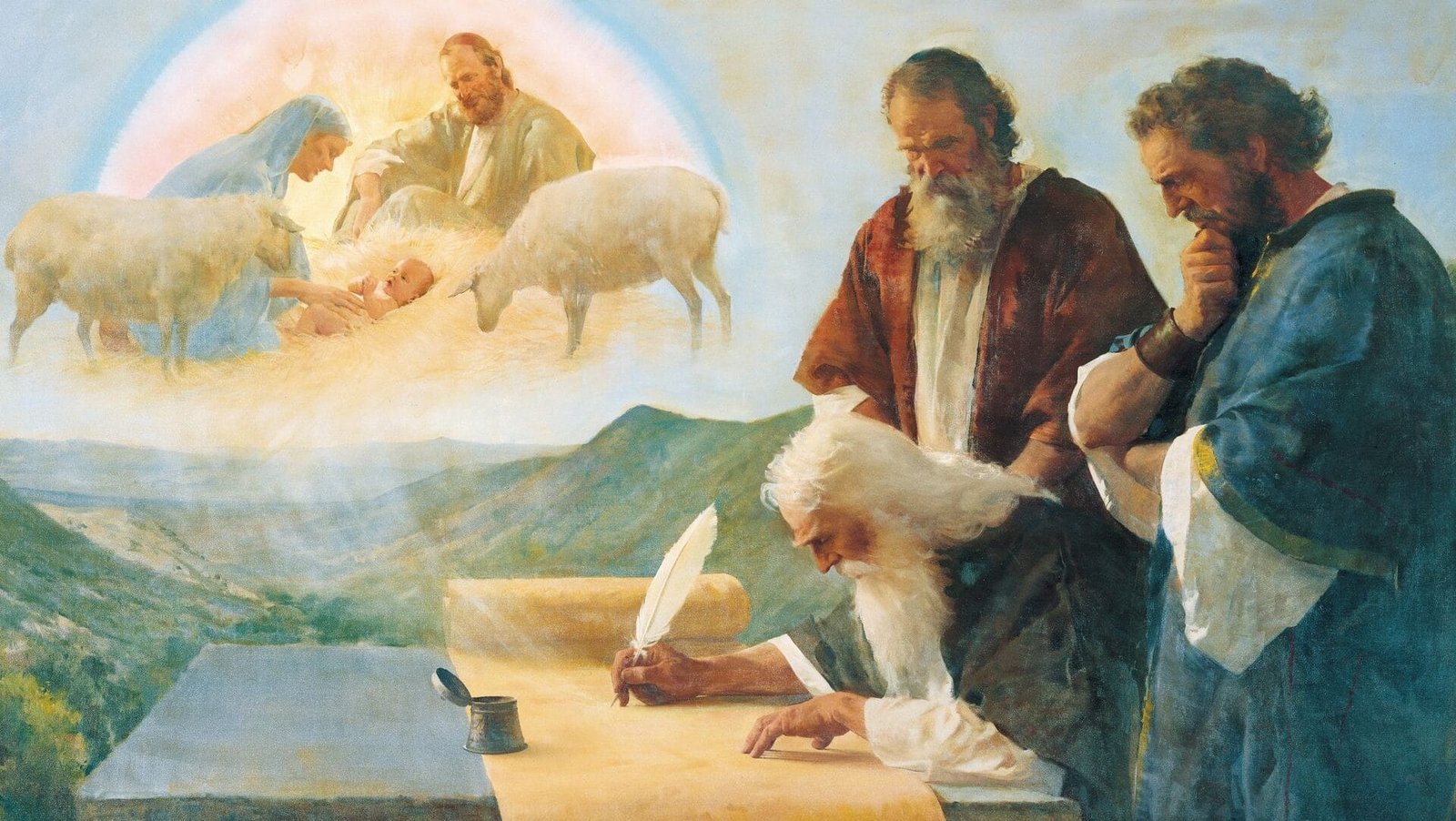
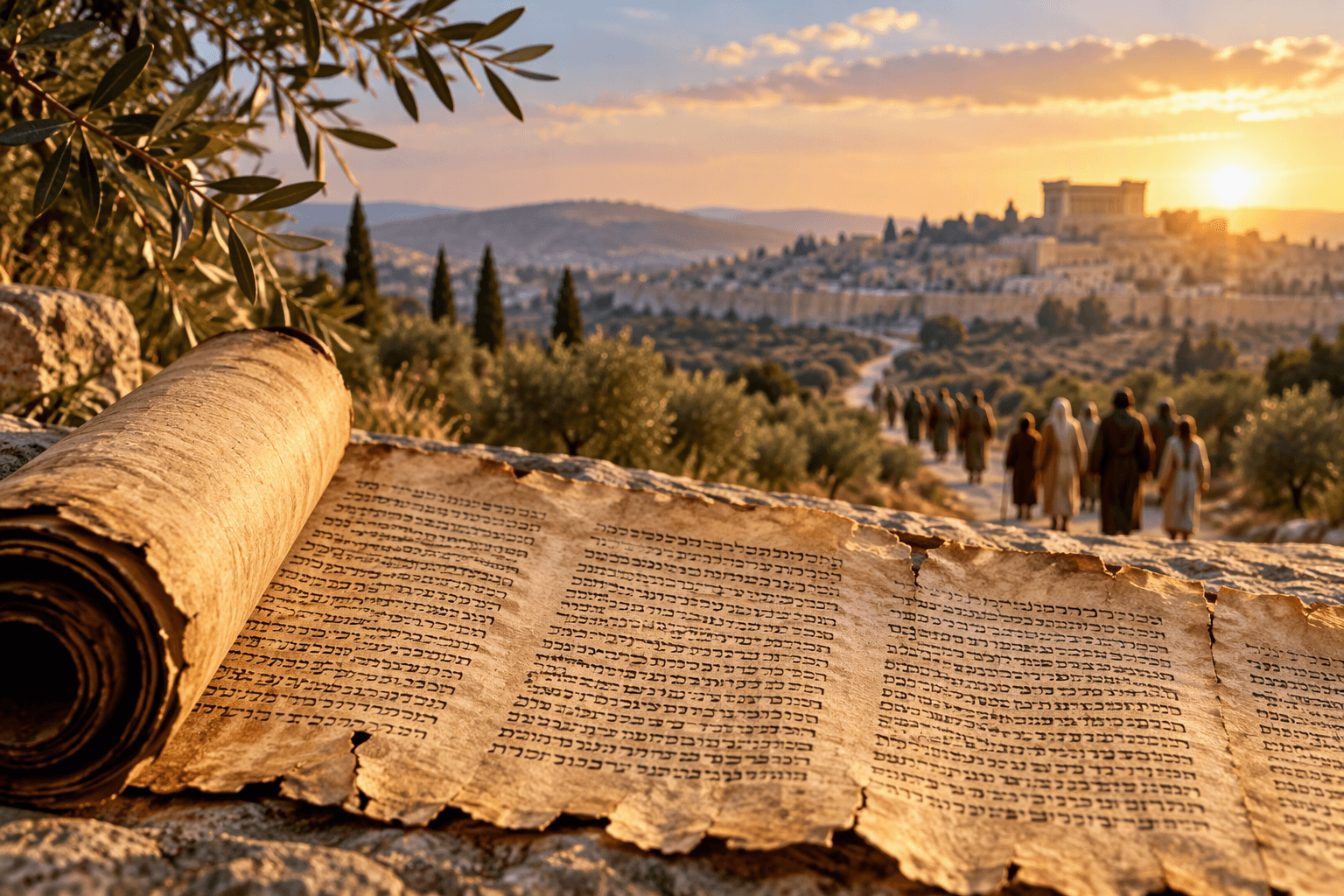
Isaiah uses people, places, and events as symbols for spiritual truths. As we learn how the organization of Isaiah corresponds to the history of Israel, it becomes easier to understand the meaning behind Isaiah’s symbols.
Exploring the History and Doctrine of the Church of Jesus Christ of Latter-day Saints
Isaiah uses people, places, and events as symbols for spiritual truths. As we learn how the organization of Isaiah corresponds to the history of Israel, it becomes easier to understand the meaning behind Isaiah’s symbols.
We don’t have to be a scholar to understand Isaiah. Just reading it will be beneficial, as we can find individual verses that give us hope and help us feel the Savior’s love. However we approach Isaiah, we should make whatever effort we can give.
Proverbs repeatedly teaches that wisdom comes through instruction, counsel, and correction. Accepting correction leads to learning, repentance, spiritual growth, and lifelong discipleship of Jesus Christ.
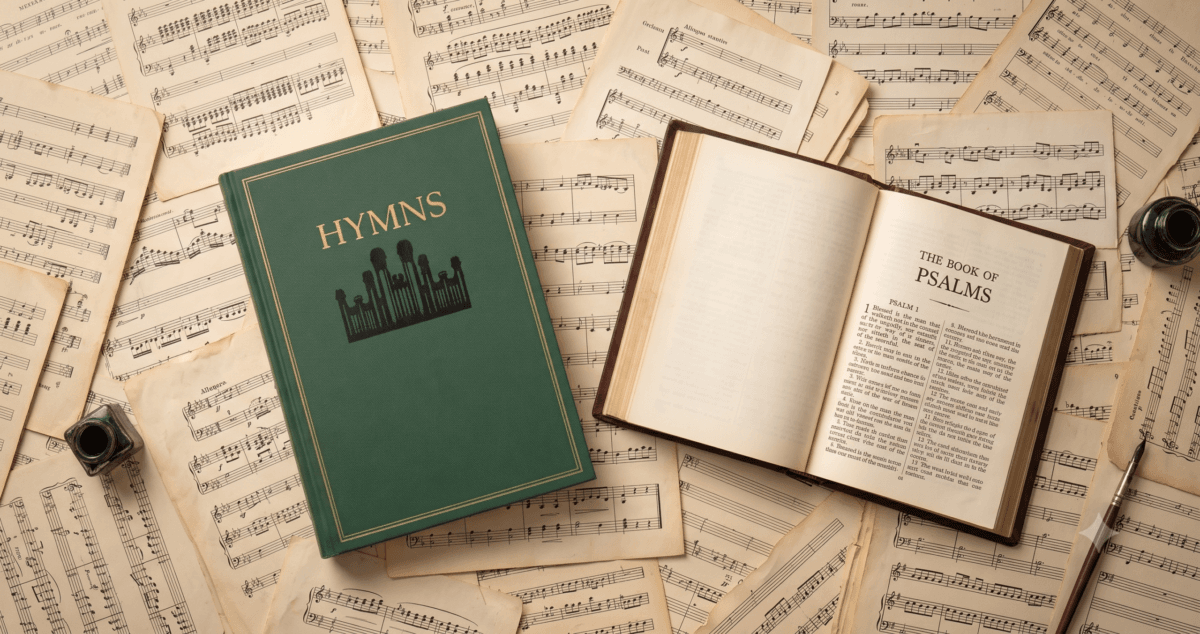
Although I love the Bible, I have struggled to enjoy the Psalms. But I found my “hook.” As I learned about the Levite singers, the use of the Psalms in worship, the musical notations in the Psalms, and connections to modern scripture, I learned to love the Psalms.
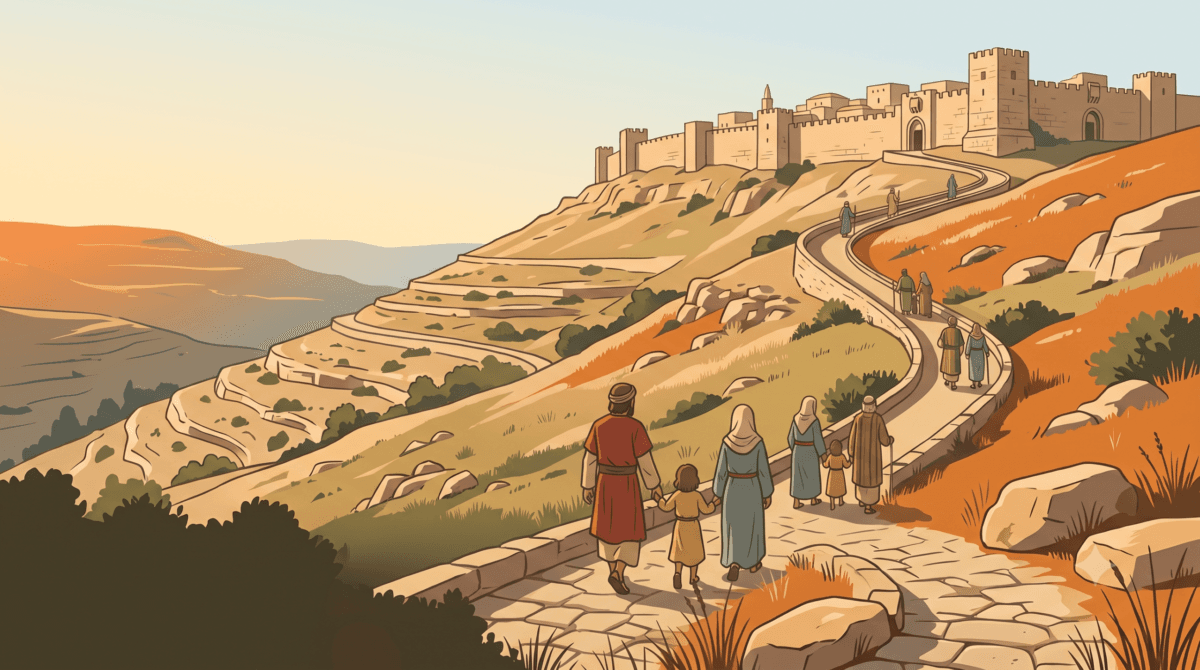
The Songs of Ascents (Psalms 120-134) were likely sung by Israelites as they traveled to Jerusalem. These psalms represent more than a physical ascent. They also teach a spiritual journey of faith, repentance, worship, and drawing nearer to God.
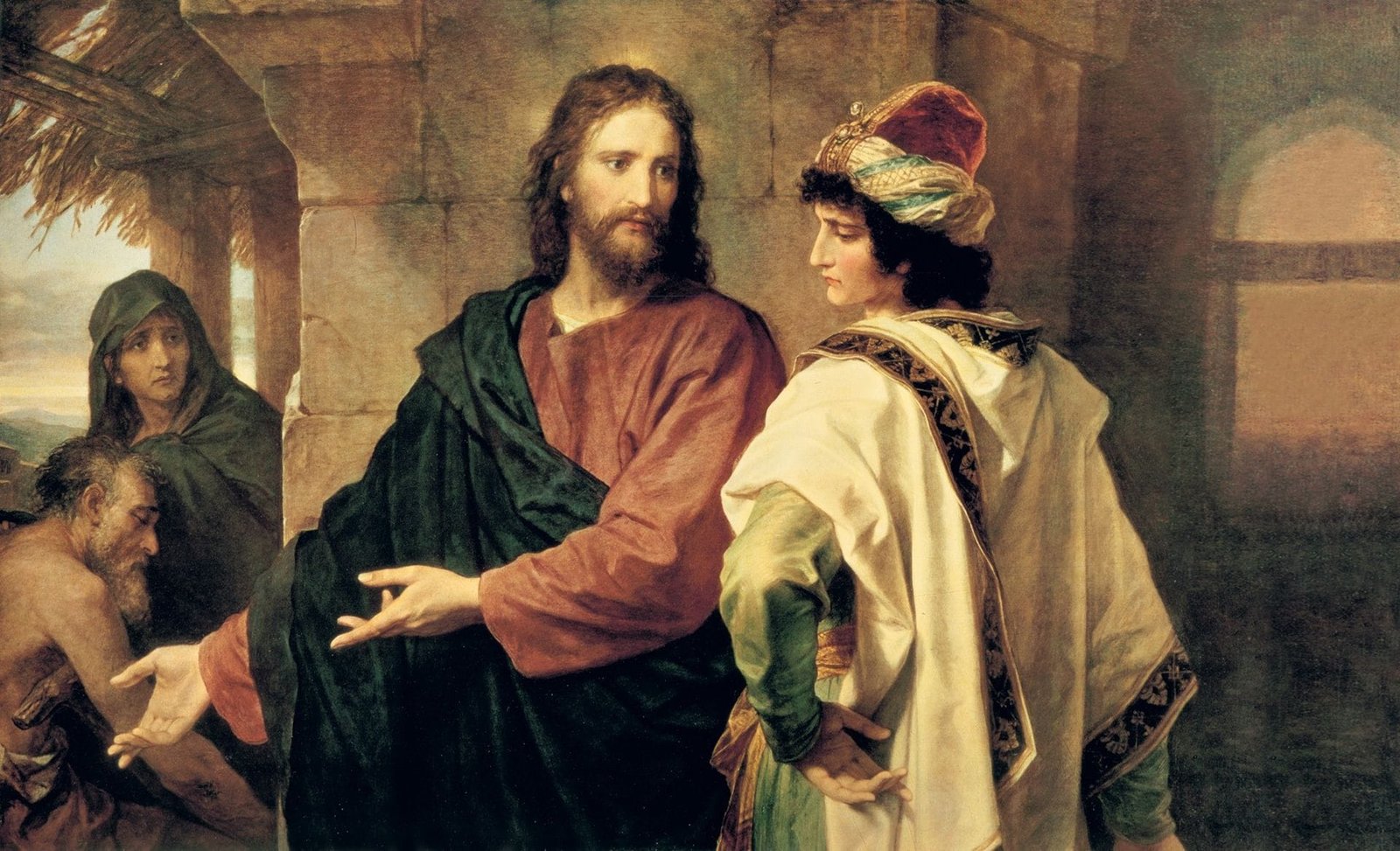
Jesus Christ is and was Jehovah, the God of the Old Testament. His covenant people, Israel, turned away from HIm and worshipped false gods. We can avoid that in our day by making Jesus Christ our highest priority.
The story of the Levite singers, or musicians called among the Levites, gives us another example of the value of music in our worship.
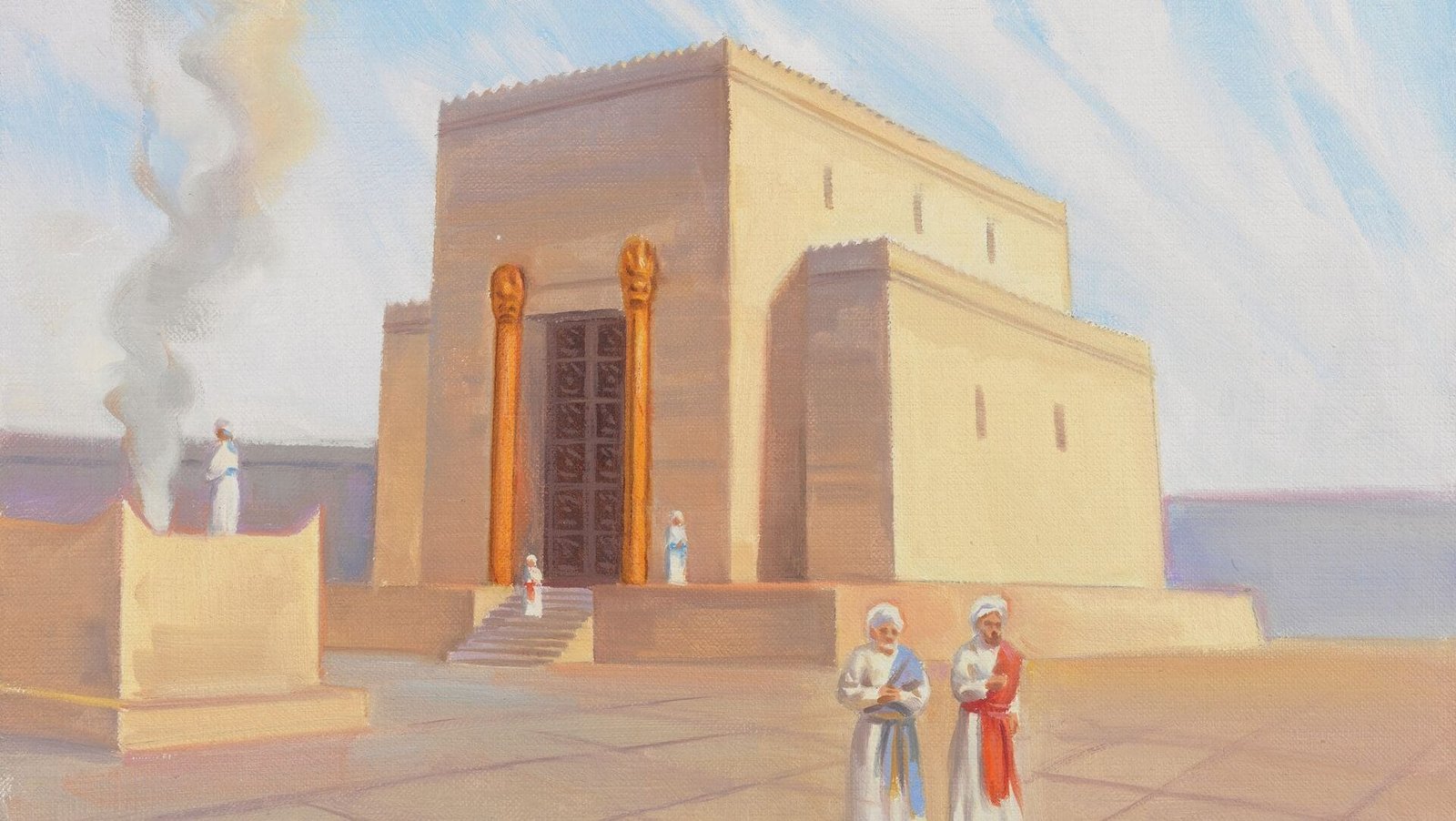
The story of 1 Kings tells of the reign of Solomon, the building of the temple, and the rise of idolatry resulting in the division of the kingdom. Although prophets continue to proclaim repentance, the prophets are rejected.
2 Samuel follows the rise of David as king over Israel, the covenant the Lord establishes with his house, and the consequences of David’s sin, which results in rebellion and division.